How To Fix Electric Crepe Maker Aluminum Plate Warping?
Does your crepe maker plate look bent or uneven? This is a common problem for many home cooks. Warping usually happens when the aluminum plate faces sudden heat changes.
The good news is that this issue is fixable. You do not need to throw away your appliance or buy a new one.
In this guide, we will explain why crepe maker plates warp in the first place. You will learn about rapid heating and improper handling as major culprits.
We will also share a simple, step by step method to flatten your plate again. This fix often takes just 15 minutes with basic household tools.
Beyond repairs, we cover practical tips to stop warping before it starts. You will discover the right power settings to use and mistakes to avoid.
We also touch on related issues, like crepes sticking to the surface. Proper cleaning and seasoning play a big role here too.
By the end of this article, you will know how to fix, maintain, and protect your crepe maker. Let’s get your kitchen tool back in perfect shape.
In a Nutshell
Here is a quick recap of everything we covered. Keep this list handy for fast reference.
-
Warping happens from rapid heat. Sudden temperature changes stress the aluminum plate. This is the main cause of bending.
-
Flatten your plate with a simple tap method. Flip the plate onto a flat surface. Gently tap it with a hammer until it sits flat again.
-
This fix takes about 15 minutes. You only need basic household tools. No professional repair is needed.
-
Prevention is easier than repair. Use low heat settings when you start cooking. Avoid jumping straight to high temperatures.
-
Clean your plate the right way. Warm it to around 150°F before wiping it down. Use light pressure and coarse salt for tough spots.
-
Watch for sticking crepes too. This often means your plate needs more seasoning. It can also mean the heat setting is too low.
Following these steps keeps your crepe maker in good working shape. A little care now saves you from bigger problems later.
Why Electric Crepe Maker Plates Warp
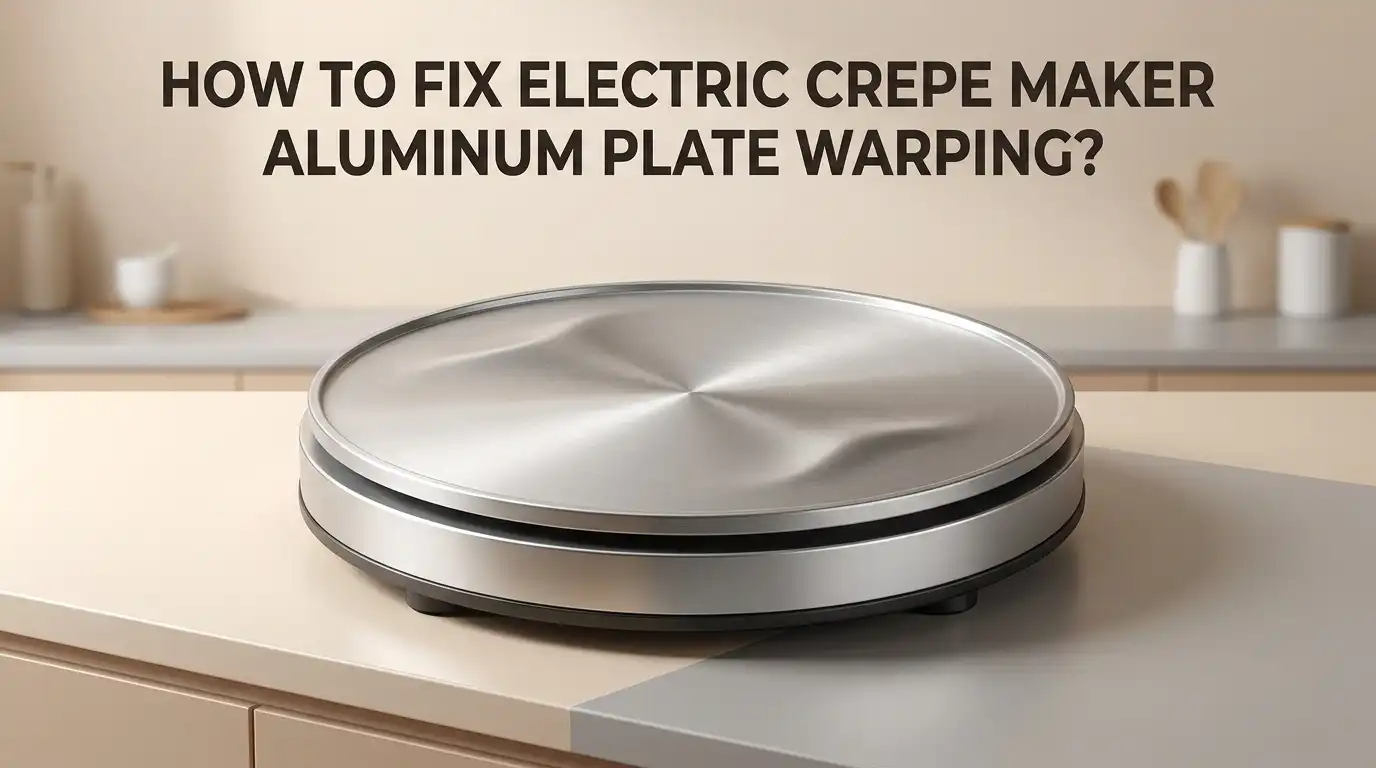
Aluminum plates warp because they expand and contract when exposed to heat. This metal heats up very quickly, which creates stress on the surface. When the plate cools down, it shrinks back. This constant expanding and shrinking causes the metal to bend out of shape over time.
Rapid heating is the main culprit. When you turn your crepe maker to high heat right away, the plate heats unevenly. The center gets hot faster than the edges. This temperature difference pulls the metal in different directions, causing warping.
Induction hobs make this problem worse. They heat aluminum plates extremely fast compared to other cooking methods. The speed of heating leaves no time for the metal to adjust evenly.
Improper handling also plays a role. If you bang the plate or apply force to it while it is hot, you can bend it. Dropping the crepe maker or bumping it against hard surfaces damages the plate too.
Temperature swings between cooking sessions add more stress. If you let the plate cool completely, then heat it to full temperature again, the metal experiences shock. This repeated cycle weakens the aluminum and causes warping.
Moisture and cleaning habits matter as well. If you splash cold water on a hot plate, the sudden temperature change warps the metal. This thermal shock happens fast and causes visible damage.
Prevention starts with understanding these causes. Use low power settings when you first turn on your crepe maker. Let the plate heat gradually. Avoid sudden temperature changes. Handle your appliance gently. These simple steps stop warping before it starts.
Signs Your Aluminum Plate Has Warped
Your aluminum plate shows several clear warning signs when warping begins. Uneven cooking surfaces are the first indicator. You’ll notice that crepes cook faster in some spots and slower in others. This happens because the warped plate no longer sits flat against the heating element.
Look at your plate from different angles. A warped plate appears to have dips, bumps, or a curved surface instead of staying completely flat. You can also run your hand across it gently to feel these imperfections.
Crepes sticking more than usual often signals warping. When the plate isn’t flat, heat distribution becomes uneven. Some areas get hotter than others, causing batter to stick in certain spots. This is especially noticeable if your crepes stuck less before.
Check if your crepe maker rocks slightly when you place it on a counter. A warped plate causes the whole machine to wobble. This movement means the plate no longer makes full contact with the heating element underneath.
Temperature inconsistencies are another sign. Your thermostat may show the correct heat level, but the plate itself feels hotter in some areas and cooler in others. You might need to rotate crepes during cooking to get them to cook evenly.
Listen for clicking or popping sounds during heating. These noises often come from the plate expanding and contracting unevenly as it warms up. This acoustic warning tells you warping is starting or getting worse.
If you spot any of these signs, act quickly. Early detection makes fixing the problem much easier. The longer you wait, the more severe the warping becomes.
Step-by-Step: How To Flatten a Warped Crepe Maker Plate
The good news is you can fix a warped plate yourself. This method works well and takes only about 15 minutes with basic tools you likely have at home.
Start by unplugging your crepe maker. Let the plate cool completely to room temperature. Safety comes first when working with aluminum that has been heated.
Flip the plate over onto a completely flat surface. A sturdy kitchen counter or workbench works perfectly. Make sure the surface is clean and level before you begin.
Place a folded towel or cloth under the plate edges. This protects both your work surface and the plate from damage during the process.
Gently tap the warped areas with a rubber mallet or hammer. Use light to moderate pressure. You are not trying to pound the plate flat. Instead, you want to gradually coax it back into shape.
Work from the center outward toward the edges. Tap slowly and check your progress frequently by looking at the plate from different angles.
Flip the plate over and repeat the process on the other side. This balanced approach helps distribute the correction evenly across the entire surface.
Test the plate by placing it on your crepe maker base. It should sit flat without rocking. If you still see gaps or movement, continue tapping gently until the plate makes full contact.
Take your time with this process. Rushing leads to cracks or further damage. Most warped plates respond well to this patient, methodical approach and return to proper working condition.
Common Mistakes That Make Warping Worse
Many people make mistakes that make warping much worse. Excessive heat application is the biggest culprit. You might think turning your crepe maker to maximum heat will speed things up. This actually causes severe warping because the aluminum expands too fast and unevenly.
Aggressive handling during cooking creates additional damage. Banging the plate with utensils or pressing down hard on crepes puts stress on the already weakened metal. The plate cannot handle this force when it is hot and expanding.
Another common mistake is ignoring gradual heating protocols. You should start your crepe maker on low power and let it warm up slowly. Skipping this step means the plate experiences sudden temperature shock. This shock causes the metal to bend and warp rapidly.
Neglecting proper cooling time between sessions is equally harmful. If you use your crepe maker back to back without breaks, the plate never fully stabilizes. The constant heating and cooling cycles create more warping with each use.
Poor cleaning habits also contribute to the problem. Pouring cold water on a hot plate causes instant thermal stress. The sudden temperature change makes warping much worse. Always let your plate cool to around 150°F before cleaning.
Storing your crepe maker improperly adds more damage. Placing heavy items on top of the plate or stacking it with other equipment can bend it further. Store it in a safe, flat location away from pressure.
Finally, people often ignore early warning signs. Small warping gets worse when you keep using the crepe maker without addressing it. Catch the problem early and fix it before the damage becomes severe. Prevention and quick action stop warping from spiraling into major problems.
How To Prevent Future Warping
Preventing future warping requires you to change how you use your crepe maker every single day. The key is understanding that aluminum plates expand and contract with heat, so you must manage temperature carefully.
Start with low power settings when you turn on your machine. Never crank heat to maximum right away. Gradual heating gives the aluminum time to warm evenly. This simple step prevents most warping problems before they start.
Avoid rapid temperature changes between cooking sessions. Let your crepe maker cool down completely before storing it. Do not pour cold water on a hot plate. These temperature swings create stress that warps the aluminum over time.
Handle your machine gently during and after cooking. Do not bang the plate or apply force to it. Aggressive handling causes damage that leads to warping. Treat the aluminum surface with respect every time you use it.
Proper cleaning habits matter more than you think. Heat your plate to only 150°F for cleaning, not scorching hot. Use light pressure when you scrub. Apply coarse salt to stubborn residue instead of scrubbing hard. This approach keeps your plate in good shape without causing stress.
Store your crepe maker on a flat, stable surface. Never stack items on top of it. Keep it away from direct sunlight and moisture. Proper storage prevents unnecessary warping between uses.
Check your plate regularly for early warning signs. If you notice slight rocking or crepes sticking more, address it immediately. Catching problems early makes fixing them much easier.
Follow these prevention steps consistently, and your aluminum plate will stay flat and functional for years.
Cleaning and Maintenance Tips for Long-Lasting Plates
Keeping your crepe maker plates in top condition requires simple, consistent care. Regular cleaning prevents buildup that can trap heat unevenly and contribute to future warping problems.
Start by letting your plate cool to a warm temperature. Never plunge a hot plate into cold water. This temperature shock creates stress that damages aluminum. Instead, wipe the plate with a damp cloth while it’s still warm to the touch.
For stubborn residue, use coarse salt as a gentle abrasive. Sprinkle salt on the plate surface and rub it with a soft cloth or paper towel. The salt removes stuck crepe bits without scratching the aluminum. Rinse with warm water and dry immediately with a clean cloth.
When you need deeper cleaning, heat your plate to exactly 150°F. This warm temperature softens residue without creating thermal stress. Apply light pressure when scrubbing. Heavy scrubbing can create tiny scratches that accumulate over time and weaken the plate structure.
Proper seasoning keeps plates functioning longer. After cleaning, apply a thin layer of oil to the cooled plate. This prevents rust and maintains the nonstick surface. Wipe away excess oil with a clean cloth so no greasy buildup forms.
Store your crepe maker on a flat, stable surface away from moisture. Never stack heavy items on top of it. Check your plates monthly for any signs of damage or discoloration.
These maintenance habits take just minutes per use. They prevent the temperature fluctuations and buildup that cause warping. Your aluminum plates will stay flat and perform reliably for years when you follow these straightforward cleaning steps consistently.
Troubleshooting Related Issues: Sticking Crepes and Heating Problems
When your crepes stick to the aluminum plate, the problem usually stems from two main issues: insufficient seasoning or inadequate heat. A properly seasoned plate prevents sticking naturally. After cleaning, apply a thin layer of oil to the cooled surface and let it sit overnight. This builds up a protective coating over time.
Heat problems also cause sticking. Your plate needs to reach the right temperature before you start cooking. If the surface feels lukewarm instead of hot, crepes will grab and tear. Test the temperature by sprinkling a few water drops on the plate. They should sizzle and evaporate immediately, not sit there.
When crepes do stick, resist the urge to scrape aggressively. This damages the seasoning layer you’ve built up. Instead, use a plastic or wooden tool to gently lift the edges. Work slowly around the crepe until it releases on its own.
Heating element failures create a different problem. If your plate never reaches proper temperature despite the dial showing high heat, your heating element may be broken. The thermostat could also be malfunctioning. These issues require professional replacement since they involve internal electrical components.
Check your power cord connection first. Make sure it sits firmly in the outlet. Sometimes a loose connection prevents proper heating. If tightening the cord doesn’t help, the element itself needs replacement.
Prevention keeps both problems away. Always preheat your crepe maker for five minutes before cooking. Use consistent, moderate heat settings rather than maximum power. Between batches, let the plate maintain steady temperature. These simple habits prevent sticking and reduce stress on heating elements, keeping your crepe maker working reliably for years.
When To Consider Professional Repair or Replacement
Your aluminum plate warping might be fixable at home with basic tools. However, some situations call for professional help or replacement instead.
Consider professional repair when your plate has deep cracks or permanent dents that won’t flatten out. If the warping keeps returning after you flatten it multiple times, the metal has likely lost its structural integrity. Repeated warping suggests internal damage beyond simple heat stress.
Replacement becomes necessary if your heating element or thermostat fails. These components require technical expertise to replace safely. Attempting this yourself risks electrical hazards or further damage to your machine.
Professional help is worth the cost when your crepe maker is relatively new and expensive. A technician can assess whether the problem stems from manufacturing defects covered under warranty. They can also determine if internal components are damaged.
Budget-conscious cooks might prefer replacement if your machine is older. Repair costs sometimes approach the price of a new unit. Calculate whether fixing makes financial sense for your situation.
Warning signs that demand professional attention include burning smells, electrical sparks, or unusual noises during operation. These indicate serious internal problems that DIY fixes won’t solve.
Before deciding, attempt the basic hammer flattening method yourself. This 15-minute fix works for most minor warping cases. If the plate stays flat afterward, you’ve solved the problem cheaply.
If flattening doesn’t work or the plate warps again within days, contact a repair specialist. They have proper equipment to assess damage accurately. Sometimes what looks like warping is actually a bent frame or support structure underneath.
Document your machine’s age and condition before contacting professionals. This information helps them provide accurate repair estimates and recommendations for your specific situation.
Final Thoughts
Fixing a warped aluminum plate does not need special skills. You just need a flat surface, a hammer, and a bit of patience.
Most warping happens because of rapid heating or rough handling. Knowing this helps you avoid the problem in the future.
The good news is that repairs take only about 15 minutes. Flip your plate, tap it gently, and check both sides until it sits flat again.
Prevention matters more than repair. Always start your crepe maker on low power settings. Let the heat build up slowly instead of rushing it.
Avoid sudden temperature changes during cooking. This single habit prevents most warping issues before they start.
Good handling practices protect your plate every single day. Treat it gently before, during, and after each use.
Regular cleaning also plays a big role in plate health. Warm plates and gentle scrubbing keep the aluminum surface strong and even.
Watch for early warning signs like slight lifting or uneven heating. Catching these signs early makes fixing them much easier.
Remember that not all problems come from warping alone. Sometimes sticking crepes or heating issues point to different causes entirely.
If your plate develops deep cracks or refuses to flatten, professional help becomes the smarter choice. Weigh the cost against your machine’s age and value.
For most home cooks, though, simple maintenance solves the problem. A flat surface, gentle care, and patience go a long way.
Your crepe maker can serve you well for years. Just remember to heat slowly, handle gently, and clean properly.
With these habits in place, warping becomes rare. Your plates stay flat, your crepes cook evenly, and your kitchen stays stress free.
Frequently Asked Questions
Why does my aluminum plate warp in the first place?
Aluminum plates warp because of rapid heating and thermal stress. When you turn up the heat too quickly, the metal expands unevenly. Different parts of the plate heat at different speeds, causing it to bend or lift.
Improper handling also causes warping. Dropping the crepe maker or placing it on an uneven surface creates stress. Temperature shock happens when you move a hot plate to a cold surface suddenly.
Can I fix warping myself at home?
Yes, you can fix most warping with basic tools. Flip the plate over onto a flat surface. Use a hammer to gently tap the plate until it sits flat against the base.
Repeat this process on both sides if needed. The entire fix takes about 15 minutes. This method works best for mild to moderate warping.
What should I do to prevent warping from happening again?
Start with low power settings when you first turn on your crepe maker. Let the plate heat gradually instead of jumping to high heat. Avoid sudden temperature changes during cooking.
Handle your machine gently. Never drop it or force it onto uneven surfaces. After cooking, let the plate cool naturally instead of dunking it in cold water.
How do I clean the plate without causing more damage?
Heat your plate to 150°F, which feels warm but not hot. Apply light pressure when scrubbing. Use coarse salt for stubborn residue, as it removes stuck food without scratching.
Avoid aggressive scrubbing motions that stress the metal. Proper seasoning prevents sticking and reduces the need for hard scrubbing.
When should I stop trying to fix it myself?
Deep cracks or permanent dents that won’t flatten out need professional help. If your heating element or thermostat fails, replacement becomes necessary. Burning smells, electrical sparks, or unusual noises demand immediate professional attention.

Hi, I’m Lola Griffin 👩💻, the voice and creator behind ResizerBox. I’m a passionate tech enthusiast who loves exploring the latest gadgets, smart devices, and trending Amazon electronics. Through my reviews, I share honest insights, real-world testing experiences, and practical buying advice to help readers make confident tech choices.