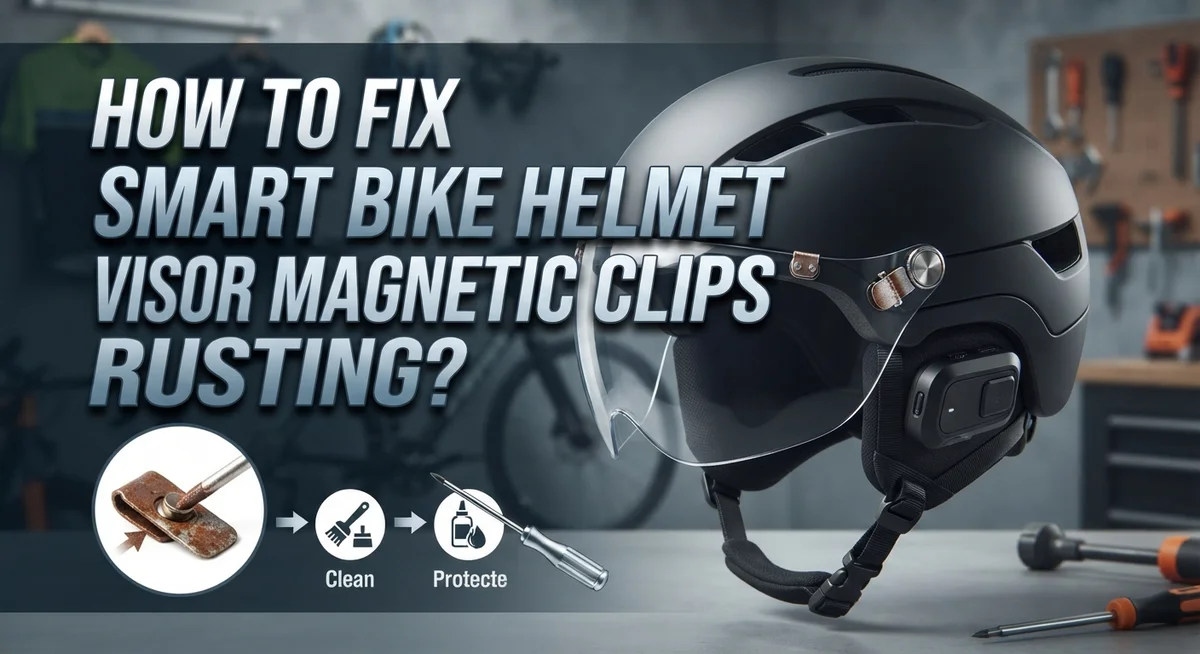
How To Fix Smart Bike Helmet Visor Magnetic Clips Rusting?
Rusty magnetic clips can ruin your smart bike helmet visor fast. You go to snap the visor on, and it barely holds. That little orange stain on the metal tab tells you rust has moved in.
This problem happens more than riders think. Sweat, rain, and humidity attack those tiny magnets and metal tabs over time. Once rust starts, it spreads quickly if you ignore it.
The good news is that you can fix this without buying a new helmet. This guide walks you through simple steps to clean, repair, and protect your magnetic clips. You will learn why rust forms in the first place and how to stop it from coming back.
In a Nutshell
- Rust forms on magnetic clips due to moisture, sweat, and weather exposure over time. Clean and dry your visor often to slow this down.
- Removing rust early saves your helmet. Use a soft cloth and mild solution to gently scrub away buildup before it spreads.
- Replacing magnets is simple if cleaning doesn’t work. Attach new magnets to the visor’s metal tabs using adhesive glue.
- Correct polarity matters most. Align magnets properly so the visor snaps on securely but still detaches during impact.
- Never over secure the visor. It should pop off easily in a crash. This keeps you safe and follows helmet safety standards.
- Check helmet compatibility first. Not all straps support magnetic attachments, so confirm your helmet type before starting repairs.
- Regular maintenance prevents future rusting. Store your helmet in a dry place and wipe clips after wet rides.
Why Magnetic Clips Rust Over Time
Magnetic clips rust because metal parts get exposed to moisture and oxygen. When you ride your bike, sweat drips onto the helmet. Rain and humidity also reach the clips easily. These moisture sources trigger a chemical reaction that creates rust on the metal surface.
Salt and sweat accelerate rust formation. If you ride in humid climates or near coastal areas, salt spray speeds up corrosion. Your body’s sweat contains salt, which is especially corrosive to uncoated metal. The combination of salt, moisture, and oxygen creates the perfect environment for rust to develop quickly.
Temperature changes make the problem worse. When your helmet sits in the sun, then gets stored in a cool garage, condensation forms on the clips. This constant wet and dry cycle weakens the metal’s protective layer. The clips become vulnerable to rust faster than you’d expect.
Poor air circulation around the helmet contributes too. If you store your helmet in a damp bag or enclosed space, moisture gets trapped. The clips never fully dry out between rides. This constant dampness is like leaving metal in water, which causes rapid rust development.
Metal quality matters as well. Lower quality magnetic clips rust faster than premium alternatives. Some clips have protective coatings that slow rust formation. Without proper coating, bare metal corrodes quickly when exposed to moisture and salt.
Understanding why rust forms helps you prevent it. The main culprits are moisture, salt, and poor storage conditions. By recognizing these factors, you can take steps to keep your magnetic clips clean and functional. Regular inspection and proper storage make a real difference in extending your helmet’s life.
Signs Your Visor Magnets Are Rusting
Rust on your visor magnetic clips shows up in several clear ways. The first sign is visible orange or brown discoloration on the metal parts where magnets attach. You might see this rust forming around the edges or on the flat surfaces of the clips themselves.
Your visor may start to stick or feel harder to remove from the helmet. This happens because rust builds up and creates friction between surfaces. The magnetic connection feels weaker too. Your visor might not snap into place as firmly as it used to, or it falls off more easily during rides.
Listen for grinding or scraping sounds when you attach or detach your visor. These noises mean rust particles are interfering with the smooth magnetic connection. You might also notice flaking or crumbly texture when you touch the clips with your finger.
Check the metal tabs on your visor closely. Rust appears as rough patches instead of smooth metal. The magnets themselves may feel less powerful. A visor that used to stay locked in place now shifts or wobbles slightly.
Discoloration spreads over time if you ignore it. What starts as small spots grows into larger rust patches. The problem gets worse faster in humid climates, near coastal areas, or if you ride in rain regularly.
Sweat and moisture trapped under the visor speed up rust development. Pay attention to these warning signs early. Catching rust in the beginning stages makes cleaning much easier. You can often restore full function with simple cleaning methods before rust causes permanent damage to your helmet system.
Tools and Materials Needed for the Fix
You will need several basic items to fix your smart bike helmet visor magnetic clips. Gather everything before you start working on your helmet.
Cleaning supplies come first. Get white vinegar or a rust removal solution. You also need soft-bristled brushes or old toothbrushes to scrub away rust. Paper towels or clean cloths help dry the clips after cleaning.
Protective gear keeps you safe. Wear rubber gloves to protect your hands from rust particles and cleaning chemicals. Safety glasses shield your eyes from splashing liquids or debris.
Replacement magnets are essential if cleaning fails. You need neodymium magnets that match your current clip size. Check your helmet visor first to measure the exact dimensions you need.
Adhesive materials bond new magnets securely. Strong epoxy adhesive or super glue works best for metal surfaces. Some people use magnetic adhesive tape as an alternative option.
Small tools make the job easier. A flathead screwdriver helps pry off old magnets or clips if needed. Tweezers assist with precise magnet placement and alignment.
Workspace setup matters too. Find a clean, dry table with good lighting. Lay down newspaper or cardboard to catch spills and protect your work surface.
Optional but helpful items include: A small container for soaking clips in vinegar. A magnifying glass lets you inspect rust damage closely. Masking tape helps hold components steady while glue dries.
Check your helmet compatibility before purchasing anything. Different helmet models use different clip designs. Measure your current magnetic clips carefully so you buy the right replacements if needed.
Step-by-Step Guide to Removing Rust and Restoring Clips
Start by removing your visor from the helmet. Gently pull it away from the magnetic clips to detach it safely. Set the visor aside on a clean surface where you can work without losing small parts.
Inspect the rusted magnetic clips closely. Look for orange or brown discoloration on the metal surfaces. Rust appears as crusty deposits that may feel rough or flaky to your touch. Check both the clips attached to your helmet and the metal tabs on your visor.
Gather your cleaning supplies before you begin. You will need white vinegar, a small brush, and clean cloth rags. White vinegar works well because its acidity breaks down rust without damaging the underlying metal. Pour some vinegar into a small container for easy access.
Dip your brush into the vinegar and scrub the rusted areas directly. Apply firm pressure and work in circular motions to lift away rust particles. Scrub for about two to three minutes per clip. You should see the rust start to loosen and come off onto your cloth.
Wipe away the loosened rust with a clean rag. Rinse the clips under cool water to remove vinegar residue. Pat everything dry immediately with a fresh cloth. Moisture left behind will cause rust to return, so dry thoroughly.
If rust remains after vinegar treatment, repeat the process. Stubborn rust may need a second or third application. Allow vinegar to sit on heavy rust for five to ten minutes before scrubbing. This gives the acid more time to penetrate and break down the corrosion. Once clean and dry, your clips are ready for restoration or replacement.
Reinstalling Magnets Safely Without Compromising Helmet Safety
Reinstalling magnets safely requires careful attention to both functionality and helmet protection. Your visor must remain removable during an impact, so avoid making the connection too strong or permanent.
Start by checking magnet polarity. Magnets have two sides: north and south poles. Place your new magnets near the old ones to feel which sides attract. This matters because incorrect alignment prevents your visor from attaching properly. Mark the correct polarity on each magnet before you glue anything down.
Position magnets precisely on the metal tabs. Apply a small dab of adhesive to one magnet. Press it firmly onto the visor’s metal tab and hold it steady for several seconds. Do the same for the helmet side, ensuring both magnets face each other with matching poles. Let the adhesive cure fully before testing the connection.
Test the attachment strength carefully. Your visor should click into place with moderate pressure but detach easily when you pull it away. If it sticks too tightly, the visor won’t release during a crash, which defeats the safety purpose. If it’s too loose, it falls off during normal riding.
Verify helmet compatibility before finishing. Some helmet strap designs work better with magnetic systems than others. Check that your specific helmet model supports this type of visor attachment. Mismatched components create weak connections or damage the helmet material.
Allow proper curing time. Most adhesives need 24 hours to reach full strength. Avoid using your helmet during this period. Once cured, your magnets should function smoothly without compromising safety features.
Preventing Future Rust Buildup
Preventing rust from returning to your magnetic clips requires consistent care and smart storage habits. The key is keeping moisture away from the metal components at all times.
Store your helmet in a dry location. Choose a cool, dry spot away from bathrooms or damp basements. High humidity speeds up rust formation significantly. A bedroom closet or garage shelf works well if it stays reasonably dry.
After each ride, wipe down your visor and clips with a dry cloth. This simple step removes sweat and moisture that sits on metal surfaces. Pay special attention to the magnetic clip areas where water tends to collect.
Apply a protective coating to prevent future rust. Once your clips are clean and rust free, you can seal them with a thin layer of clear protective spray or oil. This creates a barrier between the metal and moisture. Reapply this coating every few months or after wet rides.
Consider removing your visor on particularly wet days. If you ride in rain frequently, detaching the visor protects the magnetic clips from constant moisture exposure. Store the detached visor separately in a dry location.
Check your clips regularly during the off season or between heavy riding periods. Early inspection catches small rust spots before they spread. A quick monthly visual check takes just seconds but prevents major problems.
Keep your helmet ventilation clear. Blocked vents trap moisture inside the helmet. Ensure air can flow freely through all helmet openings. This reduces overall humidity around your magnetic components.
Use silica gel packets near your helmet storage area. These absorb excess moisture from the air. Replace packets monthly during humid seasons for best results.
Common Mistakes to Avoid During the Repair
When repairing magnetic clips on your smart bike helmet visor, several mistakes can derail your project or compromise safety. Understanding what to avoid saves you time and keeps your helmet functional.
Don’t rush the adhesive application. Many people apply too much glue, which creates messy overflow and weakens the bond over time. Use only a small dab on each magnet. Excess adhesive also prevents proper magnet alignment and can interfere with the magnetic connection between visor and helmet.
Avoid installing magnets with incorrect polarity. If you place the north pole where the south pole should be, your visor won’t attach smoothly. Test magnet orientation before the glue sets permanently. This simple check prevents frustration and failed attachment attempts later.
Don’t over tighten or over secure the connection. Your visor must detach easily during impacts. If magnets bond too strongly, they won’t release when your helmet experiences sudden force. This defeats the safety purpose of magnetic clips. The visor should click into place with gentle pressure and separate without excessive pulling.
Avoid working on incompatible helmet straps. Not all helmet designs work well with magnetic systems. Check your helmet’s strap configuration before starting repairs. Some straps lack the metal tabs needed for proper magnet attachment.
Don’t skip the curing time. Rushing to test your visor before adhesive fully hardens leads to weak bonds and misalignment. Wait the full recommended time, usually 24 hours.
Avoid contaminated surfaces. Clean metal tabs thoroughly before gluing magnets. Dirt, dust, or residual rust prevents strong adhesion and causes early failure. A clean surface ensures your repair lasts through many rides.
Troubleshooting Persistent Magnetic Clip Issues
When magnetic clips on your smart bike helmet visor keep rusting despite your best efforts, you need to dig deeper into what’s causing the problem. Persistent rust suggests moisture is reaching your magnets regularly, which means your current storage or maintenance routine needs adjustment.
Start by examining where you store your helmet. Bathrooms and basements trap humidity in the air. Move your helmet to a warmer, drier location instead. Garages work well if they stay dry. Closets inside your home are even better because they maintain consistent temperatures.
Next, check your helmet’s ventilation system. Blocked air vents trap moisture inside the helmet itself. Clean out any dust or debris from the vents using a soft brush or cloth. This lets air flow freely and prevents condensation from building up around your magnetic clips.
Your drying routine matters too. After each ride, especially in wet conditions, wipe your visor and clips with a clean, dry cloth immediately. Don’t wait hours or overnight. Water sitting on metal accelerates rust formation.
Consider a protective barrier for your magnets. Once your clips are completely rust free and dry, you can apply a thin protective coating. This creates a shield against moisture without affecting the magnet’s strength.
For particularly wet weather rides, remove your visor before storing your helmet. This simple step keeps moisture away from the magnetic connection points entirely. Your visor stays dry separately while your helmet dries out.
Check your clips monthly, especially during rainy seasons or if you ride frequently in damp conditions. Catching rust early makes cleaning much easier than dealing with heavy corrosion later.
Final Thoughts
Rust on your smart bike helmet visor clips does not mean you need a new helmet. Simple fixes can restore your magnets and keep your visor working well.
Cleaning rust early makes a big difference. Small rust spots turn into bigger problems if you ignore them. Act fast when you spot early signs of corrosion.
Fixing the clips yourself saves money. You do not need special tools or expert skills. A little glue, new magnets, and patience get the job done.
Remember that safety comes first during every repair. Your visor must detach easily during a crash. Never glue the clips so tightly that they lose this function.
Correct polarity matters just as much as the glue itself. Test your magnets before you commit to the final placement. This small step prevents wasted effort and mismatched connections.
Prevention works better than repeated repairs. Store your helmet properly and dry it after every ride. These habits stop rust before it starts.
Your helmet strap design affects how well this fix works. Not every helmet supports magnetic visor systems. Check your specific model before you start any repair.
Patience pays off during this process. Rushed glue application often leads to weak bonds or messy results. Take your time and let each step set properly.
With the right approach, your magnetic clips can work well for a long time. Regular checks and quick action keep rust away. Your visor stays functional, and your rides stay comfortable.
Smart maintenance now means fewer headaches later. A little effort today protects your gear for months ahead.
Frequently Asked Questions
Why do magnetic clips rust faster than regular helmet hardware?
Magnetic clips rust quickly because they sit in exposed areas where water collects easily. Your helmet visor moves frequently, which creates gaps that trap moisture. The metal components in magnetic systems often have less protective coating than standard helmet parts. Rain, sweat, and humidity all speed up the rusting process.
Can I use any adhesive to reattach magnets to my helmet visor?
Not all adhesives work equally well for this job. You need a glue that bonds metal to metal and resists moisture. Standard craft glue fails quickly on helmets because it breaks down when wet. The adhesive must also stay flexible so your visor can move without cracking the bond.
How often should I inspect my magnetic clips for rust?
Check your clips monthly during regular riding seasons. If you ride in wet weather or humid climates, inspect them every two weeks. Early detection stops small rust spots from becoming major problems. Look at both the magnets and the metal tabs where they attach.
What’s the best way to dry my helmet after a wet ride?
Remove your visor immediately after riding in rain. Wipe down all metal parts with a dry cloth. Store your helmet in a well ventilated area away from direct sunlight. Never seal your helmet in a bag while damp, as this traps moisture inside. Allow at least two hours of air drying before storing it away.
Will rust on magnetic clips affect my helmet’s safety?
Rust weakens the metal structure over time. Your visor may not detach properly during an impact if rust has compromised the clips. This creates a safety risk because the visor could stay attached when it should release. Address rust problems promptly to maintain your helmet’s protective function.

Hi, I’m Lola Griffin 👩💻, the voice and creator behind ResizerBox. I’m a passionate tech enthusiast who loves exploring the latest gadgets, smart devices, and trending Amazon electronics. Through my reviews, I share honest insights, real-world testing experiences, and practical buying advice to help readers make confident tech choices.