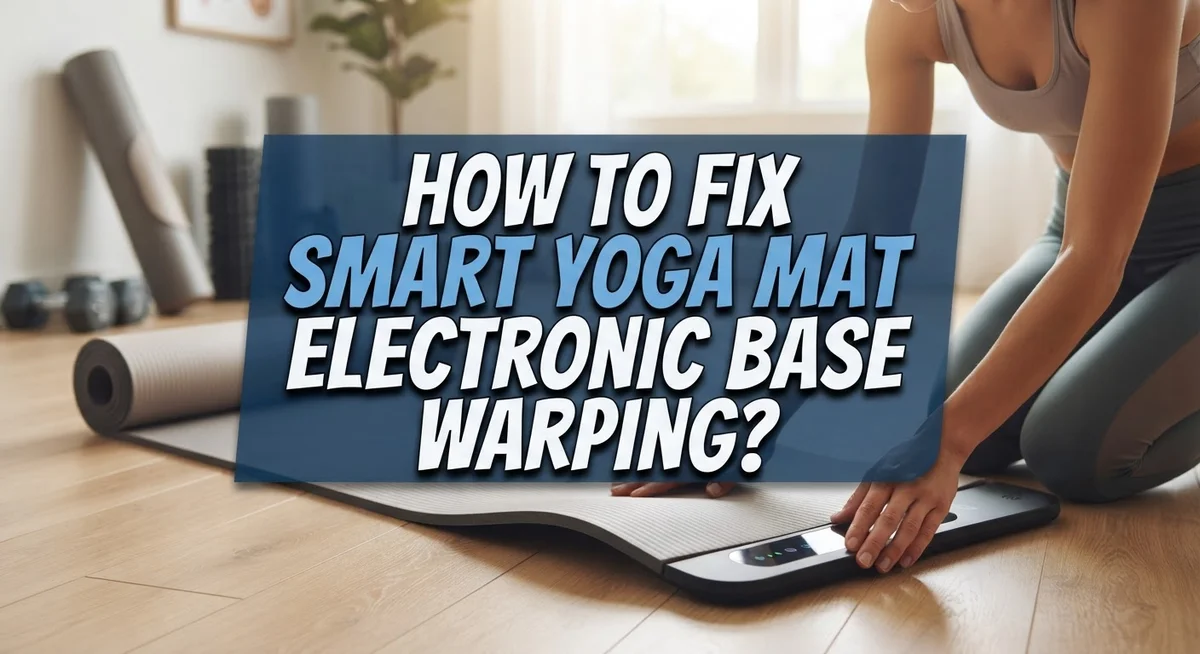
How To Fix Smart Yoga Mat Electronic Base Warping?
Did your smart yoga mat arrive with a warped electronic base? You are not alone. Many yogis face this frustrating problem right out of the box.
Heat exposure, moisture, and improper storage often cause this warping. Your mat’s sensitive electronic base can bend or curl during shipping. Temperature changes make things worse too.
The good news? You can fix this problem at home. This guide walks you through simple, proven methods to flatten your mat’s base.
In a Nutshell
- Dry it fully first. Unroll your mat completely. Let it rest flat at room temperature until all moisture disappears.
- Reverse roll the mat. Roll it tightly with the top side facing out. This counters the warp direction naturally.
- Give it time to flatten. Several hours work for minor warping. Overnight resting gives the best results for stubborn cases.
- Try the iron method for tough curls. Place a pressing cloth over the warped area. Apply low heat carefully to reshape the base.
- Roll it correctly going forward. Always roll with the floor side facing in. This simple habit prevents edge curling from coming back.
- Store it smart. Keep your mat dry and flat at room temperature. Avoid heat sources and damp spaces completely.
Why Smart Yoga Mat Electronic Bases Warp
Smart yoga mat electronic bases warp for specific reasons. Understanding these causes helps you prevent future damage.
Heat exposure during shipping is the main culprit. Mats travel in trucks and warehouses where temperatures spike. Your electronic base is made from materials that soften and bend when hot. The sensors and circuitry inside also become vulnerable to extreme heat.
Moisture creates serious problems for electronic components. If your mat gets wet during transit or storage, water seeps into the base. This moisture causes the materials to swell unevenly. Some areas expand more than others, creating those frustrating waves and curls you see.
Improper storage at home continues the damage. Storing your mat rolled up in a damp basement or hot garage keeps warping alive. Electronic bases need stable, dry environments to maintain their shape.
Temperature fluctuations stress the materials constantly. When your mat goes from a cold shipping container to a warm room, the electronic base expands and contracts. This repeated movement weakens the structural integrity.
Incorrect rolling methods during packaging and unboxing cause edge curling. When the mat rolls the wrong direction, pressure concentrates on the sides. The electronic base gets permanently creased.
Manufacturer handling sometimes plays a role too. If the mat sits in a warehouse for weeks before shipping, environmental conditions may already have warped it slightly.
The good news? Most warping happens during the first few weeks. Once you understand these causes, you can take action immediately. Proper drying, correct rolling, and smart storage prevent these issues from happening again. Your mat’s electronic base will stay flat and functional for years when you handle it correctly.
Signs Your Mat Base Has Warped or Is Warping
Your smart yoga mat’s electronic base shows specific warning signs before serious damage occurs. Catching these early helps you fix the problem faster.
Look for visible curling at the edges first. The corners or sides of your mat may start to lift away from the floor. This happens most often at the ends where the mat naturally wants to roll. You might notice the edges won’t stay flat even when you press them down.
Check if the surface feels uneven when you run your hand across it. A warped base creates dips and bumps instead of a smooth, flat surface. Your hands or feet will feel these imperfections during your practice.
Pay attention to gaps between the mat and your floor. Slide a piece of paper under the edges. If it slides easily in some spots but not others, warping is happening. A flat mat should resist the paper equally everywhere.
Watch for the mat to spring back into a curved shape after you flatten it. This “memory” of the warped position means the electronic base is deforming. The material is losing its ability to stay flat naturally.
Notice if your mat feels stiffer or less flexible than before. Warping often makes the base rigid and uncomfortable. The electronics inside may also feel loose or shifted when you gently press the surface.
Listen for any crackling or popping sounds when you move the mat around. These noises suggest internal components are moving or the base structure is compromised.
Check the bottom of your mat too. Discoloration, soft spots, or visible damage indicate moisture has penetrated the electronic base. These signs mean you need to act quickly to prevent complete failure.
Step-by-Step: Flattening a Warped Electronic Base
Start by unrolling your mat completely on a flat, clean surface. Let it rest for several hours at room temperature. This simple step allows the electronic base to relax and begin returning to its natural shape. Make sure your mat is completely dry before moving forward with any flattening technique.
Next, reverse roll your mat tightly with the top side facing outward. This method works because it applies gentle, even pressure across the entire surface. Place your rolled mat on the floor and sit on it for several hours. The weight helps the warped areas settle back into position without forcing them.
For stubborn warping that doesn’t respond to basic rolling, try the pressing cloth method. Lay your mat flat and place a clean cloth over the warped section. Use a low heat iron and move it slowly across the cloth. Keep the iron moving to avoid damaging the electronic components underneath. Never apply direct heat to your mat.
After using heat, let your mat cool completely before rolling it again. Allow at least overnight for the best results when dealing with serious warping.
Going forward, roll your mat correctly to prevent edge curling from returning. Always roll with the floor side facing inward. This positioning keeps the edges from lifting up during storage.
Store your mat flat at room temperature in a dry location. Avoid stacking heavy objects on top of it. These simple storage habits prevent new warping from developing and keep your electronic base functioning properly for years.
Using the Iron and Pressing Cloth Method for Stubborn Curling
The pressing cloth method works well for stubborn curling that won’t flatten with regular rolling. This technique uses gentle heat to relax the material without damaging your mat’s electronic components.
Start by laying your mat flat on a clean surface. Place a thin, damp pressing cloth directly over the warped area. The cloth acts as a barrier between your iron and the mat itself. This protection prevents direct heat from reaching the electronic base underneath.
Set your iron to a low heat setting. High temperatures can damage the sensitive electronics and harm the mat’s surface. Move the iron slowly across the pressing cloth in gentle, circular motions. Spend about 30 seconds on each section of the warped area. Let the heat penetrate the material gradually rather than applying intense pressure.
Work in small sections across the entire warped region. Don’t concentrate the iron on one spot for too long. The goal is to warm the material evenly so it becomes more pliable. You’ll notice the curling start to relax as the heat does its job.
After you finish ironing, let your mat cool completely on a flat surface. Don’t move it or roll it while it’s still warm. Cooling allows the material to set into its new, flatter shape. This waiting period is crucial for the results to stick.
Once the mat reaches room temperature, reverse roll it tightly with the top side facing out. Sit on the rolled mat for several hours to reinforce the flat position. This combination of heat treatment and proper rolling gives stubborn warping the best chance of permanent correction.
Correct Rolling Technique to Prevent Recurring Edge Curl
Rolling your mat the wrong way is one of the biggest reasons edge curl comes back. Once you flatten your warped mat, you need to roll it correctly every single time. This prevents the edges from lifting again.
Start by rolling from the bottom up. Place your mat on a flat surface with the electronic base facing down. This means the top side (where you place your hands and feet) faces up. Now roll it tightly toward you, keeping the edges even as you go.
The key difference is which side faces outward when you roll. Always roll with the floor side facing inward and the top side facing outward. This puts gentle pressure on the edges and keeps them flat against the mat body.
Roll as tightly as you can without straining the material. Loose rolls allow the edges to shift and curl up again. Tight rolling creates consistent pressure that holds the edges in place. Take your time and make sure each section is snug before moving forward.
When you unroll your mat for practice, do it slowly and carefully. Don’t yank or snap the mat open. Gentle unrolling prevents sudden stress on the edges that can trigger curling.
Store your rolled mat in a cool, dry space. Keep it away from heat sources, direct sunlight, and damp areas. Proper storage between uses maintains the flat shape you worked hard to restore.
This rolling technique works because it uses the mat’s own weight and structure to keep edges pressed flat. You’re not fighting against the material. You’re working with it to prevent the warping cycle from starting again.
Long-Term Prevention: Storage and Environmental Care
Your smart yoga mat’s electronic base needs proper care to stay flat and functional. Storage and environment are your best tools for long-term prevention.
Start by keeping your mat completely dry before you store it. Moisture causes warping, so let your mat air dry fully after each use. Wipe down the electronic base with a dry cloth. Never roll up a damp mat.
Store your mat flat on a clean, dry surface. A closet shelf or under-bed storage works well. Avoid stacking heavy items on top of your mat. The weight creates permanent creases and deformation.
Keep your mat away from direct heat sources. Stay clear of radiators, heating vents, and sunny windows. Temperature changes cause the electronic base materials to expand and contract. This movement leads to warping over time.
Choose a storage location with stable room temperature. Basements and attics experience extreme heat and cold shifts. These spaces also trap moisture. A bedroom closet maintains consistent conditions better.
Use proper packaging if you ship your mat somewhere. Wrap it in protective material. Avoid tight compression during shipping. Heat exposure during transport causes the base to warp before you even open the box.
Check your storage space regularly for signs of moisture or humidity. Look for water stains or musty smells. Use a dehumidifier if your storage area feels damp.
Rotate your mat occasionally if you store it rolled. This prevents permanent creases from forming in one spot. Unroll it and lay it flat every few months.
Your storage habits determine how long your smart yoga mat stays flat and usable. Dry storage, stable temperatures, and proper handling prevent most warping problems before they start.
Common Mistakes That Worsen Warping
Rolling your mat the wrong way is one of the biggest culprits behind persistent edge warping. Many people roll their mats with the bottom side facing outward, which actually encourages the edges to curl upward over time. This mistake undoes all your hard work in flattening the mat.
Storing your mat while it’s still damp or wet creates a perfect environment for warping to worsen. Moisture gets trapped inside the electronic base and causes the material to expand unevenly. Always ensure your mat is completely dry before putting it away.
Exposing your smart yoga mat to extreme temperatures accelerates warping significantly. Leaving it in hot cars, near heating vents, or in direct sunlight causes the electronic base to deform faster. Temperature swings between hot and cold locations make the problem much worse.
Improper unboxing when your mat first arrives can damage the electronic base before you even use it. Yanking the mat out roughly or dropping the box stresses the delicate components inside. Handle your new mat gently during that first unboxing.
Applying too much heat when using the iron method can actually melt or damage the electronic components. High heat settings are never appropriate for smart yoga mats. Low heat only, and always use a pressing cloth as a barrier between the iron and your mat.
Storing your mat in cramped spaces causes pressure that locks in warping. Your mat needs room to breathe and maintain its flat shape. Give it adequate space in your storage area so nothing presses against it.
Ignoring humidity in your storage space lets moisture gradually warp the base again. Check your storage location regularly for signs of dampness or condensation.
Troubleshooting When Warping Won’t Go Away
When warping persists despite your best efforts, you need a different approach. Stubborn warping requires patience and the right technique to fully resolve the problem.
Start by unrolling your mat completely and laying it flat on a clean, dry surface. Leave it in this position for at least several hours, though overnight is ideal. The mat needs time to relax and settle back into its original shape. Make sure your room temperature stays consistent during this waiting period. Temperature swings can actually make warping worse.
If the warping still won’t budge, try the pressing cloth method. Lay a clean, damp cloth over the warped area. Use a low heat iron to gently press the cloth. Keep the iron moving constantly to avoid damaging the electronic base. This gentle heat helps relax the material without overheating sensitive components. Let the area cool completely before checking your progress.
The reverse rolling technique works exceptionally well for stubborn cases. Roll your mat tightly with the top side facing outward. Sit the rolled mat in a cool location for several hours. This uses the mat’s weight to press edges flat from the inside out.
If warping returns after these steps, your storage environment needs attention. Check for moisture, humidity, or temperature fluctuations in your storage space. These conditions constantly trigger new warping even after you fix existing problems.
Sometimes persistent warping indicates deeper damage to the electronic base structure. If nothing works after multiple attempts, the base may need professional evaluation. Document your troubleshooting steps so you have a clear record of what you’ve tried.
Final Thoughts
Fixing a warped smart yoga mat base takes patience. You cannot rush the process. Give your mat time to rest flat and dry completely before you roll it again.
Most warping issues clear up within a few hours. Some stubborn cases need overnight treatment. Trust the process and avoid checking every few minutes.
Remember that heat and moisture cause most problems. Keep your mat away from both whenever possible. This simple habit prevents future headaches.
The reverse rolling method works well for many people. It resets the mat’s shape naturally. Try this first before other methods.
If your mat still curls after multiple attempts, do not panic. Some electronic bases need extra time to adjust. Give it another full day before you try again.
Your daily habits matter more than one fix. How you store and handle your mat each day shapes its long term flatness. Small consistent actions beat occasional big efforts.
A warped mat does not always mean a broken mat. Many mats bounce back fully with the right care. Stay calm and follow the steps you learned.
Think of this as ongoing maintenance, not a one time task. Your mat will thank you with better performance and longer life.
If nothing works after several honest attempts, your mat’s electronic base might have deeper structural issues. That is a sign to explore other options.
Overall, fixing warping is simple once you understand the causes. Dryness, proper rolling, and stable temperature control solve most problems. Apply these lessons consistently.
Your smart yoga mat serves you best when you treat it well. Small efforts today prevent bigger problems tomorrow. Keep these tips handy for future reference.
Frequently Asked Questions
Why does my smart yoga mat electronic base warp in the first place?
Warping happens because of heat, moisture, and improper handling. Your electronic base is sensitive to temperature changes during shipping and storage. When your mat stays damp or gets exposed to extreme temperatures, the materials expand and contract unevenly. This causes the base to bend or curl at the edges.
The way you roll and store your mat matters too. Incorrect rolling techniques trap the warping in place and make it harder to fix later.
How long should I let my mat flatten before using it?
Leave your mat flat and unrolled for several hours minimum. Overnight is best for stubborn warping. This gives the electronic base time to relax and return to its natural shape.
Make sure your space is clean and dry. Room temperature works perfectly for this process. Patience here saves you from having to repeat the fix multiple times.
Can I use heat to fix warping on my smart yoga mat?
Yes, but carefully. Use a pressing cloth between your iron and the mat. Keep the heat setting low to avoid damaging the electronic components inside.
Never apply direct heat to the base. Test a small area first. This method works best for minor curling, not severe warping.
What’s the best way to prevent warping from coming back?
Store your mat completely dry and flat at room temperature. Roll it with the floor side facing inward to prevent edge curling. Keep your storage space away from humidity and direct sunlight.
Proper drying before storage stops most warping issues from returning.

Hi, I’m Lola Griffin 👩💻, the voice and creator behind ResizerBox. I’m a passionate tech enthusiast who loves exploring the latest gadgets, smart devices, and trending Amazon electronics. Through my reviews, I share honest insights, real-world testing experiences, and practical buying advice to help readers make confident tech choices.