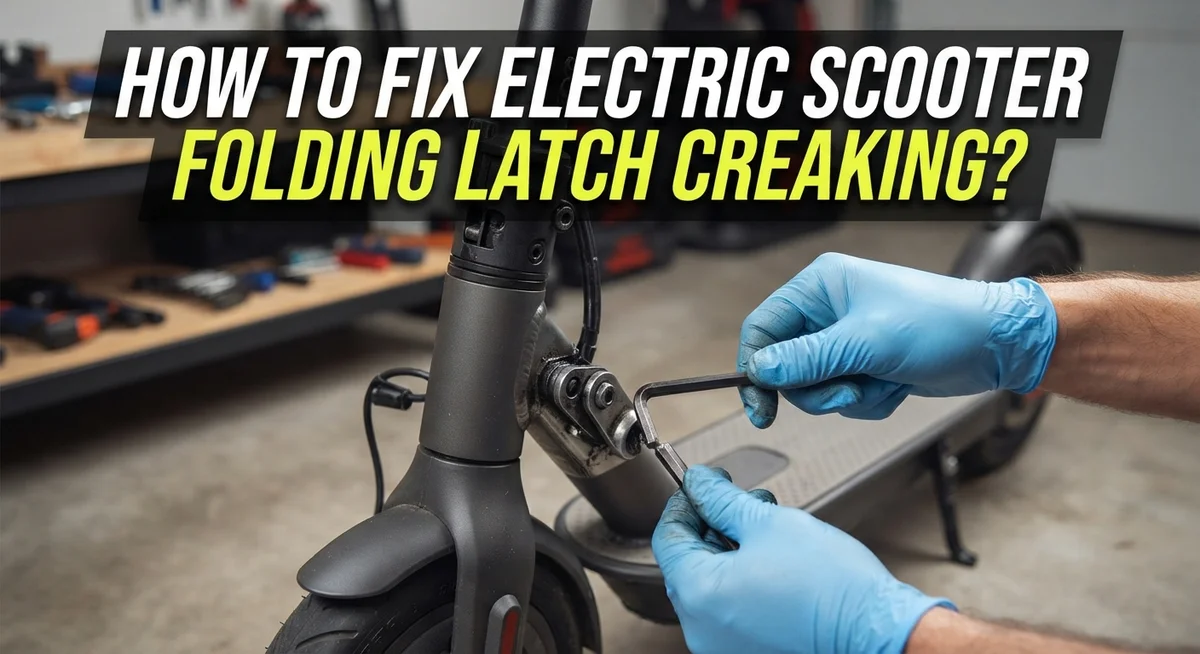
How To Fix Electric Scooter Folding Latch Creaking?
That annoying creak from your electric scooter’s folding latch can turn a smooth ride into a noisy distraction. You hear it every time you hit a bump or fold your scooter for storage. The good news? This is a super common issue with a simple fix.
Most folding latch noise comes from three culprits. Loose bolts, worn out lubricant, or trapped debris inside the mechanism. None of these problems require expensive repairs or a trip to the shop.
In this guide, we will walk you through exactly how to silence that creak for good. You will learn how to find the exact source of the noise. We will show you how to clean the mechanism properly and apply the right lubricant.
In a Nutshell
- Find the noise source first. Fold and unfold your scooter slowly. Listen closely to spot the exact spot where the creak happens.
- Check for cracks or damage. Look at the latch and hinge area carefully. Damaged parts need replacement, not just lubrication.
- Clean the mechanism thoroughly. Old grease and grit often cause squeaky sounds. Wipe away grime before adding anything new.
- Use the right lubricant. Silicone or PTFE spray works best for folding parts. Avoid oils that attract more dust.
- Apply a thin coat only. Too much lubricant causes buildup and new problems. A light layer is all you need.
- Tighten every bolt and nut. Loose hardware near the folding area often causes creaking. Check each one around the mechanism.
- Test your fix. Fold and unfold the scooter a few times. The creak should disappear completely if done right.
Why Electric Scooter Folding Latches Creak
Creaking sounds from your electric scooter’s folding latch happen for specific reasons. Understanding these causes helps you fix the problem faster.
Loose components are the main culprit. The folding latch contains multiple bolts, nuts, and metal parts that work together. Over time, vibrations from riding loosen these fasteners. When parts move slightly against each other, friction creates that annoying creak you hear.
Worn lubricant is another common cause. The hinges and latch mechanism need proper lubrication to move smoothly. Old grease dries out or collects dirt. This creates friction between metal surfaces, which produces squeaking and creaking sounds.
Debris and grime buildup also plays a role. Dust, sand, and moisture get trapped in the folding mechanism during regular use. These particles act like sandpaper between moving parts. The result is increased friction and noise.
Structural wear develops over time too. If you fold and unfold your scooter hundreds of times, metal parts gradually wear down. Small gaps form between components. These gaps allow movement that generates creaking sounds.
Incorrect reassembly causes problems after maintenance. If you recently worked on your scooter, parts might not sit correctly. Misaligned components rub against each other and creak.
The good news is that most creaking stems from these fixable issues. You don’t need special skills or expensive tools. Regular cleaning and proper lubrication solve approximately 80 percent of folding latch noise problems. Tightening loose hardware handles another 15 percent. Only severe structural damage requires latch replacement.
Tools and Materials You’ll Need
Before you start fixing that creaky folding latch, gather the right tools and materials. Having everything ready makes the job faster and easier.
You’ll need a basic wrench set to tighten bolts and nuts around the folding mechanism. A socket wrench works well for hard to reach spots. Keep an adjustable wrench handy as a backup option.
A Phillips head screwdriver and flathead screwdriver help you access different parts of the latch assembly. Some scooters use different screw types, so having both ensures you’re covered.
Grab a small brush or old toothbrush to clean away debris and grime from the folding area. This simple tool removes dirt that causes creaking sounds. A cloth or rag helps wipe away old lubricant and grease buildup.
For the actual repair, you need the right lubricant type. Silicone spray or PTFE spray work best for folding mechanisms. These lubricants reduce friction without attracting dirt like oil based products do.
A magnifying glass helps you spot small cracks or damage on the latch that you might miss otherwise. Catching structural damage early prevents bigger problems later.
Keep a container or small bowl nearby to hold screws and bolts while you work. This prevents losing tiny hardware pieces that are hard to replace.
Finally, grab a clean dry cloth for wiping excess lubricant after application. Too much lubricant causes buildup and new creaking problems.
These basic tools and materials cost very little and last for many repairs. You probably already have most of them at home. Gather everything before you begin, and your repair will go smoothly.
Step-by-Step: Locating the Source of the Creak
Start by folding and unfolding your scooter slowly. Pay close attention to where the creaking sound comes from. Does it happen when you push the handlebar down? Does it occur when you pull the latch release? Listen carefully to pinpoint the exact location.
The creaking usually comes from three main areas. First, check the folding latch itself where you release the mechanism. Second, inspect the hinge points where the handlebar connects to the deck. Third, examine the handlebar clamp that holds everything together when folded.
Once you hear the noise, try to locate it visually. Look at the folding latch assembly from different angles. Get down close and watch the parts move as you fold and unfold. Sometimes the creak comes from a spot you wouldn’t expect at first glance.
Use a flashlight or your phone’s light to see into tight spaces. The sound source might hide in a crevice or under a cover. Move the scooter gently while listening. This helps you understand which component actually moves when the noise happens.
Press gently on different parts of the folding mechanism while listening. Does the creak stop when you push one area? This tells you where the problem lives. Sometimes two parts rub together and create the sound.
Write down the exact location once you find it. Note whether the creak happens during folding, unfolding, or both actions. Does it occur when the scooter is fully folded or partially folded? This information helps you fix the right problem.
Take a photo of the area with your phone. This gives you a reference point while you work. You can compare the before and after to confirm your fix worked properly.
Step-by-Step: Cleaning and Lubricating the Folding Mechanism
Start by examining the folding mechanism closely. Look for visible dirt, dust, or old grease buildup around the latch and hinge points. These materials trap moisture and cause creaking sounds over time.
Use your small brush or old toothbrush to gently scrub away debris. Work carefully around the folding latch and handlebar clamp areas. Pay special attention to crevices where grime accumulates.
Wipe the entire mechanism with a clean, dry cloth. Remove all loose particles before applying any lubricant. This step prevents dirt from mixing with fresh lubricant and creating a paste that worsens creaking.
Apply lubricant sparingly to the folding mechanism. Use silicone or PTFE based products only. Avoid oil based lubricants, as they attract dust and cause buildup.
Place a thin coat on the latch hinges, pivot points, and moving parts. Less is more here. A small amount covers the necessary areas without creating excess residue.
Let the lubricant settle for a few minutes. This allows it to penetrate tight spaces properly.
Wipe away any excess with a clean cloth. Buildup causes new problems and prevents smooth folding action.
Fold and unfold your scooter several times to distribute the lubricant evenly. This helps the product reach all moving parts inside the mechanism.
Listen carefully during this process. The creaking should reduce or disappear completely.
If creaking persists after cleaning and lubricating, the problem likely involves loose bolts or internal damage. Move forward with tightening hardware around the folding area. Check every nut and bolt connection carefully for signs of looseness.
Tightening Bolts and Checking for Structural Wear
Loose bolts and nuts are the most common cause of creaking in folding latches. Start by identifying every bolt around your folding mechanism. These fasteners hold the latch assembly together and can loosen over time from regular folding and unfolding.
Use your wrench set to check each bolt’s tightness. Turn clockwise gently but firmly. Don’t over tighten, as this can strip threads or damage the bolt. You want snug, secure fastening without excessive force. Work your way around the entire folding area systematically.
Pay special attention to the bolts connecting the handlebar clamp to the main stem. These experience constant stress during folding. Check the bolts around the hinge points where the scooter deck connects to the stem. Also inspect any fasteners on the latch plate itself.
Structural wear requires careful inspection. Look for visible cracks, dents, or bending on the latch housing and surrounding metal parts. Use your magnifying glass to spot hairline fractures you might otherwise miss. Small cracks often develop around bolt holes or stress points.
If you find minor surface damage, tightening bolts may still resolve the creaking. However, deep cracks or significant bending indicate structural failure. In these cases, the component may need replacement rather than repair.
After tightening all bolts, fold and unfold your scooter several times. Listen for any remaining noise. If creaking persists, the problem likely involves internal damage or worn components that require professional evaluation or part replacement.
Check your bolts monthly as part of regular maintenance. This simple habit prevents most creaking issues before they develop.
Common Mistakes to Avoid When Fixing a Creaky Latch
Many people make mistakes when they try to fix a creaky folding latch. Understanding what not to do helps you avoid wasting time and making the problem worse.
The biggest mistake is using too much lubricant. People think more oil or grease will solve the squeaking faster. This actually backfires. Excess lubricant attracts dust and dirt. The buildup creates a sticky mess inside your folding mechanism. Your latch becomes even harder to move. Apply only a thin coat. A little goes a long way.
Another common error is choosing the wrong lubricant type. Not all oils work safely on electric scooters. Using WD40, heavy machine oil, or thick grease can damage plastic components or corrode metal parts. Stick to silicone or PTFE based lubricants only. These products work best for folding mechanisms.
People also skip the inspection step entirely. They jump straight to lubricating without checking bolts first. Loose nuts and bolts cause most creaking sounds. If you ignore tightness checks, the noise returns quickly. Always inspect before you lubricate.
Neglecting to clean the mechanism is another mistake. Applying new lubricant over old, dirty grease traps particles inside. This creates friction and noise. Clean away the old lubricant thoroughly with a dry cloth first.
Finally, many people fold and unfold their scooter too aggressively during repairs. Rough handling can damage the latch further. Move slowly and gently when testing your fixes.
Avoid these mistakes and your repair will succeed. Take your time. Use the right lubricant. Check all bolts. Clean first. Work gently. Your scooter will fold smoothly again.
Troubleshooting Persistent or Recurring Creaking
When creaking returns after your initial repair, a few hidden issues may be at play. The problem often stems from incomplete cleaning, insufficient lubricant distribution, or bolts that weren’t tightened enough the first time.
Start by repeating your inspection process. Listen carefully while you fold and unfold your scooter slowly. Try to isolate whether the sound comes from the same spot or a new location. A new creaking point suggests a different component needs attention. Take another photo to compare with your previous one.
Reapply lubricant if needed. Sometimes the first application wasn’t thick enough to reach deep into the mechanism. Use slightly more product this time, but still avoid over saturating. Focus on areas where metal meets metal, especially around pivot joints and the latch housing.
Check your bolts again with fresh eyes. Bolts can loosen over time as your scooter experiences vibrations during rides. Tighten each one methodically, working from the top of the folding mechanism downward. Don’t force bolts excessively, as this strips threads.
Consider environmental factors too. Humidity and temperature changes cause metal parts to expand and contract. This movement can reopen gaps between components. If you live in a wet climate, you may need to clean and lubricate more frequently than riders in dry areas.
If creaking persists after these steps, internal damage may exist. Cracks inside the latch housing or bent metal components won’t respond to cleaning and tightening alone. In such cases, replacement latches become your best option. Many riders find replacement parts readily available through online channels designed for scooter accessories and repairs.
Maintenance Tips to Prevent Future Creaking
Regular maintenance stops creaking before it starts. The key is consistency and attention to your scooter’s folding mechanism.
Clean your scooter monthly. Dirt and grime build up inside the folding latch over time. Use a dry cloth to wipe the exterior first. Then gently clean around the hinge points and latch housing with a soft brush. Remove any visible debris stuck in crevices.
Apply lubricant every three months. Use only silicone or PTFE based lubricants on your folding mechanism. These products protect metal parts without attracting dirt. Spray or apply a thin layer to all moving joints. Wipe away excess immediately with a clean cloth.
Inspect bolts every month. Loose fasteners cause most creaking sounds. Check each bolt and nut around the folding area with your wrench set. Tighten gently if needed. Do not over tighten as this can strip threads.
Store your scooter properly. Keep it in a dry location away from moisture. Humidity causes rust and corrosion on metal components. Fold and unfold your scooter gently during storage to keep joints flexible.
Listen for early warning signs. Small squeaks often appear before loud creaking develops. Address these sounds immediately. Early intervention prevents major damage.
Avoid harsh conditions when possible. Extreme temperatures and wet environments speed up wear. Salt water is especially damaging to metal parts.
Use your scooter regularly. Sitting unused for long periods allows lubricant to dry out. Regular riding keeps all components moving smoothly.
These simple steps add years to your scooter’s life and eliminate annoying noises.
Final Thoughts
Fixing a creaky folding latch is simple once you know the steps. Most noises come from dirt, dry parts, or loose bolts.
You can solve these issues at home. Cleaning, lubricating, and tightening bolts fix most problems fast.
Silicone or PTFE lubricant works best for this job. These products protect the metal without attracting more dirt.
Avoid thick grease or oil based sprays. They trap grime and make creaking worse over time.
Regular checks keep your scooter quiet and safe. Inspect the latch area once a month for early signs of trouble.
Tighten bolts as soon as you notice any wobble. Loose hardware causes most creaking sounds in folding mechanisms.
Small habits make a big difference. Clean the hinge area often and store your scooter somewhere dry.
Sometimes creaking points to something bigger. Cracks or bent metal need more than lubricant to fix.
If you spot damage during inspection, stop riding right away. A damaged latch can fail suddenly and cause a fall.
Replacement latches are available if your part is truly broken. This option costs less than buying a new scooter.
Most riders never need a replacement. Simple care solves creaking in almost every case.
Your scooter should fold and unfold smoothly and quietly. That smooth motion means your maintenance routine is working.
Set a simple schedule for care. Clean monthly, lubricate every few months, and check bolts often.
This routine keeps your folding latch strong for years. It also keeps your rides safe and stress free.
A quiet scooter is a well maintained scooter. Listen to what your scooter tells you.
Small squeaks are early warnings, not just annoyances. Act on them quickly and your scooter will thank you with smooth, silent folds every time.
Frequently Asked Questions
Why does my scooter’s folding latch creak in the first place?
Creaking happens when parts inside your folding mechanism move against each other. Loose bolts, dried out lubricant, and trapped dirt all cause this noise. The folding latch, handlebar clamp, and hinge points are the usual suspects.
Over time, the original lubricant wears away. Metal rubs on metal. Your scooter tells you something needs attention through that squeaking sound.
How do I know where the creaking is coming from?
Fold and unfold your scooter slowly while listening carefully. The noise gets louder near the problem spot. You can also gently push on different parts of the folding mechanism to see which one moves or makes sound.
Pay close attention to the latch itself, the handlebar connection point, and the main hinge. Pinpointing the exact location saves you time during repair.
What lubricant should I actually use?
Use only silicone or PTFE based lubricants on your folding mechanism. These products work safely with plastic and metal parts. Avoid thick grease, oil based sprays, or general purpose lubricants that can attract dirt.
Apply a thin layer only. Too much lubricant causes buildup and makes things worse, not better.
Can creaking come back after I fix it?
Yes, creaking can return if you skip maintenance. Dirt builds up again. Bolts loosen with regular folding and unfolding. Lubricant dries out over months of use.
Repeat your inspection and lubrication every three months. Check all bolts monthly. This keeps your scooter quiet and safe for longer.
When should I consider replacing the folding latch?
Replace the latch only if you spot structural cracks or severe damage during inspection. If cleaning and lubrication don’t stop the noise, internal damage may exist inside the mechanism.
Most creaking fixes itself through maintenance. Replacement parts are available if your latch is truly broken.

Hi, I’m Lola Griffin 👩💻, the voice and creator behind ResizerBox. I’m a passionate tech enthusiast who loves exploring the latest gadgets, smart devices, and trending Amazon electronics. Through my reviews, I share honest insights, real-world testing experiences, and practical buying advice to help readers make confident tech choices.