How To Fix E-Bike Battery Cylinder Locking Pin Freezing?
Winter mornings can bring an unpleasant surprise for e-bike riders. You go to unlock your battery, and the key just won’t turn. That locking pin feels frozen solid, and nothing seems to work.
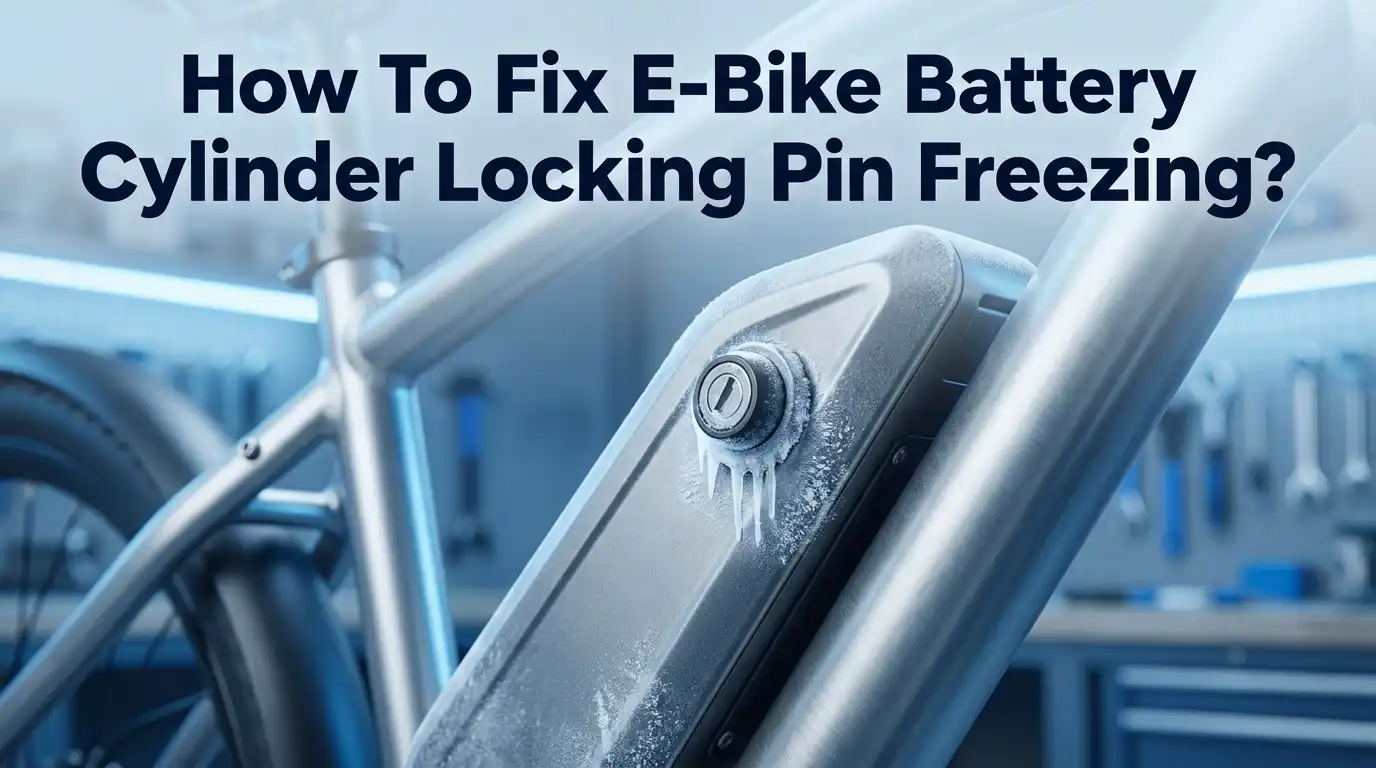
This problem happens more often than you think. Rainwater seeps into the cylinder and freezes overnight. The pin gets stuck, and your battery becomes temporarily inaccessible.
The good news? You can fix this issue yourself. This guide walks you through the exact steps to solve a frozen locking pin.
We will show you how to remove the battery panel safely. You will learn how to loosen the lock cylinder and replace it if needed.
We also cover simple prevention tips. These tricks help you avoid this frustrating problem in the future.
Whether your key won’t turn or the pin refuses to retract, we have answers. This article breaks down common mistakes riders make when dealing with frozen locks.
By the end, you will know exactly what to do. Your e-bike battery will stay protected all winter long. Let’s get your lock working again.
In a Nutshell
Here’s a quick summary to keep handy:
-
Frozen locks happen when rainwater seeps into the cylinder and freezes overnight. This stops the locking pin from retracting properly.
-
Never force a stuck key. Forcing it can snap the key or damage the internal pin mechanism beyond simple repair.
-
The fix involves removing the upper battery panel first. Then you loosen the lock cylinder set screw carefully.
-
Replace the old cylinder with a new unit if ice damage is severe. Some models need full replacement instead of a quick repair.
-
Rotate the key counterclockwise fully to retract the pin. Partial turns often cause the same freezing problem again.
-
Prevent future freezing by positioning the lock downward. This stops water from pooling inside the cylinder.
-
Adding a solid frame lock gives extra protection during cold months. It also secures your battery if you park outside overnight.
-
Let the lock sit after any maintenance work. Rushing this step can undo your repair before it even sets properly.
Why E-Bike Battery Lock Cylinders Freeze
Frozen lock cylinders on e-bike batteries happen because water gets inside the mechanism. When temperatures drop below freezing, that trapped water turns to ice. The ice then prevents the locking pin from moving freely, making your key stick or fail to turn.
Rain and snow are the main culprits. Water naturally seeps into small gaps around the cylinder during wet weather. Once inside, the water sits in the cylinder chamber. At night or during cold snaps, this moisture freezes solid. The expanding ice creates pressure that locks everything in place.
The locking pin itself becomes immobilized by ice buildup. When you insert your key, it cannot push the pin backward into its retracted position. This is why the key feels stuck or won’t rotate fully. You might hear a clicking sound but no actual movement.
Humidity also plays a role in this problem. Even on dry days, moisture in the air can condense inside the cylinder. Cold nights then freeze this condensation into thin ice layers. Over time, these layers accumulate and cause problems.
Some riders notice the issue gradually. The key might turn slightly harder each day. Eventually it stops working entirely. Other times, the lock freezes suddenly overnight after a temperature drop.
Understanding the cause helps you prevent it. Water intrusion is the root issue, not a defect in the lock itself. The cylinder design is sound, but it needs protection from the elements. Positioning your lock downward keeps water from pooling inside. A frame lock provides an additional barrier against moisture exposure.
Early warning signs include a key that turns with extra resistance or a pin that moves partially but not completely. Catching these signs early means you can take preventive action before complete freezing occurs. Acting quickly prevents damage to both the lock cylinder and your key.
Signs Your Locking Pin Is Frozen or Stuck
Your e-bike battery lock will show clear warning signs before it completely freezes. Recognizing these signs early helps you take action before the lock becomes unusable.
The most obvious sign is resistance when turning your key. The key will feel stiff or gritty as you insert it. You might hear a grinding sound or feel grinding inside the cylinder. This happens because ice crystals form around the pin mechanism.
Your locking pin may move partially but refuse to fully retract. You turn the key, but the pin stays stuck in the locked position. The key clicks partway but won’t complete its rotation. This partial movement indicates ice buildup is blocking the pin’s full travel.
Some riders notice the key won’t turn at all. It feels like the lock is completely jammed. You might think the lock is broken, but ice is the actual problem. This typically occurs after freezing rain or overnight temperatures below 32 degrees Fahrenheit.
Another warning sign is moisture around the lock cylinder. You see frost, condensation, or ice crystals forming on or inside the lock area. This tells you water has already entered the mechanism and is beginning to freeze.
Pay attention to difficulty inserting the key smoothly. The key catches or requires extra force to slide in. Normal operation should feel smooth and effortless. Any resistance during insertion means ice or debris is present.
Listen for unusual sounds when attempting to unlock. Grinding, clicking, or popping noises indicate internal ice movement. Healthy locks operate silently.
If your battery won’t detach from the frame even after turning the key, the pin is frozen in place. The battery should release immediately once the key rotates fully counterclockwise.
Don’t ignore these signs. Address them immediately to prevent permanent damage to your lock cylinder.
Tools and Materials You’ll Need
Before you start fixing your frozen e-bike battery locking pin, gather the right equipment. Having everything ready makes the job faster and prevents frustration.
You’ll need a screwdriver set with multiple sizes. Different e-bike models use various screw types. Flathead and Phillips head screwdrivers work for most battery panels. Check your bike’s manual to confirm which sizes fit your specific model.
A replacement lock cylinder is essential if ice damage is severe. You can find compatible cylinders through your e-bike manufacturer or authorized dealers. Measure your current cylinder diameter and length before ordering. Some cylinders come as complete units while others are just the core mechanism.
Keep a clean cloth or soft brush nearby. You’ll use this to remove debris and ice buildup around the lock area. Avoid steel wool or rough materials that scratch the cylinder finish.
A heat source helps thaw frozen mechanisms safely. A hair dryer on low setting works well. Never use boiling water directly on the lock as rapid temperature changes can crack metal components. Gentle, gradual warming prevents damage.
Lubricant designed for locks is helpful for maintenance. Silicone based products work better than oil in cold climates. Oil attracts dirt and freezes more easily in winter conditions.
Have a small container ready to hold screws and small parts. This prevents losing pieces during disassembly. Label the container if you’re working on multiple batteries.
Wear work gloves to protect your hands from cold metal and sharp edges. Your hands stay warmer and you maintain better grip on tools.
Keep your bike’s manual nearby for reference. It shows exactly where fasteners are located and proper reassembly order. This saves time and prevents installation mistakes.
Gather these items before starting work. Being prepared means you won’t interrupt the repair to search for missing tools.
Step-by-Step: Fixing a Frozen Locking Pin
Start by removing the upper battery panel on your e-bike. Most panels use simple screws that come off easily. Set these screws in a small container so you don’t lose them.
Locate the lock cylinder set screw. This tiny screw holds the cylinder in place against the battery housing. Use the correct screwdriver size to avoid stripping it. Turn the screw counterclockwise slowly until it loosens completely. Don’t rush this step.
Once the set screw is loose, gently pull the lock cylinder straight out from the battery. Some cylinders slide out smoothly. Others may need light wiggling to release. Be patient and avoid forcing it, as internal parts could break.
Examine the old cylinder for ice buildup or debris inside. If you see white frost or crystallized deposits, water definitely froze inside. This confirms the diagnosis and explains why your key wouldn’t turn.
Insert your replacement lock cylinder into the opening. Push it straight in until it seats fully against the battery housing. The cylinder should feel snug but not forced. Align any notches or guides that help position it correctly.
Reinstall the set screw by turning it clockwise. Tighten it firmly but don’t overtighten, as this can crack the plastic housing. The screw should hold the cylinder securely without excessive force.
Test the key in your new cylinder. Insert it slowly and turn counterclockwise to retract the locking pin fully. You should hear a click when the pin retracts completely. The key should turn smoothly without resistance.
Allow the mechanism to sit for a few minutes before using it on your bike. This gives everything time to settle into place. Check one more time that the pin retracts and extends properly.
Reattach your upper battery panel using the screws you removed earlier. Your frozen locking pin problem is now resolved. Going forward, position your lock downward to prevent water from pooling inside the cylinder.
Preventing Future Freezing Issues
Water is your lock cylinder’s biggest enemy. Moisture seeps into the mechanism and freezes when temperatures drop. The ice expands inside, jamming the pin in place. Prevention stops this cycle before it starts.
Position your lock downward whenever possible. This simple step lets water drain away naturally instead of pooling inside the cylinder. Gravity becomes your ally here. When the lock faces down, rain and melting snow slide off rather than accumulating in the mechanism.
Check your lock regularly during wet weather. Inspect the cylinder opening for moisture buildup. If you spot water droplets or condensation, dry the area immediately with a soft cloth. Early attention prevents ice formation from ever happening.
Apply protective lubricant designed for lock cylinders. This creates a water resistant barrier on internal parts. The lubricant also helps moisture slide away from critical components. Use it sparingly to avoid attracting dirt and debris.
Secure your battery to your bike frame consistently. A loose battery bounces and shifts during rides. This movement opens gaps where water enters the lock cylinder. Proper securing keeps the mechanism stable and sealed.
Store your e-bike indoors when possible, especially during freezing weather. Temperature fluctuations cause condensation inside the lock. A dry garage or shed eliminates this problem entirely.
Consider using a solid frame lock as backup protection. This secondary lock reduces stress on your battery cylinder. Your main locking pin won’t work as hard if you’re using additional security measures.
Keep your key clean and dry. Moisture on the key transfers into the cylinder each time you insert it. Wipe your key before unlocking. Store it in a dry pocket rather than leaving it exposed to weather.
Replace your lock cylinder proactively if it’s more than three years old. Wear and tear reduce the seal’s effectiveness over time. A fresh cylinder maintains better water resistance and operates more smoothly through winter months.
Common Mistakes to Avoid
Fixing a frozen e-bike battery lock requires avoiding several critical mistakes that make the problem worse. Never force a stuck key into the cylinder. Forcing causes internal damage to the lock mechanism and may break the key inside. If your key won’t turn, stop immediately and let the lock thaw naturally.
Don’t ignore early warning signs of water intrusion. When you notice the key becoming difficult to turn or the pin moving sluggishly, address it right away. Waiting allows ice to build up further and makes repairs much harder later.
Avoid leaving your battery unlocked during transport. An unsecured battery can shift and bounce, damaging the lock cylinder from the inside. This movement creates gaps where water enters more easily. Always lock your battery even for short trips.
Don’t skip the inspection step when you remove the old cylinder. Many people rush to install a replacement without checking for ice or debris. Examine the old cylinder carefully. If you see visible ice, let it thaw before proceeding. This tells you how severe the freezing was.
Never reinstall the set screw too tightly. Over tightening can crack the cylinder or make future removal difficult. Turn the screw clockwise until it feels snug, then stop.
Avoid testing the new lock immediately after installation. Give the mechanism several minutes to settle into place. Premature testing can misalign internal components.
Don’t store your e-bike in damp conditions. Garages with condensation or sheds with poor ventilation create ideal freezing environments. Store your bike somewhere dry and temperature controlled when possible.
Finally, resist the urge to use excessive heat on the lock. Rapid temperature changes can damage internal seals. Let frozen locks thaw slowly at room temperature instead. These mistakes compound the original freezing problem and create expensive repairs.
Troubleshooting Persistent Lock Problems
When your e-bike battery lock refuses to cooperate, you need a systematic approach to identify what’s actually wrong. Start by testing the key itself. Insert it slowly and listen for any resistance or grinding sounds. If the key won’t turn at all, don’t force it—this tells you something is blocking the mechanism inside.
Next, examine the lock cylinder opening carefully. Look for visible ice crystals or water droplets around the edges. Shine a flashlight into the opening to spot any debris or frozen buildup. This visual inspection reveals whether you’re dealing with a freezing issue or a different mechanical problem.
Try rotating the key very slowly in both directions. Pay attention to whether you feel any movement at all. If the pin won’t retract when you turn the key counterclockwise, ice is likely preventing normal operation. Some locks have a slight click when they engage—listen for this sound.
Check if the battery sits level on your bike frame. A tilted battery can cause the lock cylinder to misalign, which mimics freezing symptoms but requires a different fix. Gently wiggle the battery to see if it moves.
Test the key in another lock cylinder if you have access to one. This helps you determine if the problem is the key itself or the lock. A worn or damaged key can prevent proper engagement even in a working cylinder.
Document exactly when the problem started. Did it happen after rain or during freezing temperatures? This timing helps you understand the root cause. If the lock worked fine yesterday and failed today after wet weather, water intrusion is almost certainly your culprit.
Once you’ve gathered this information, you’ll know whether you need cylinder replacement or if another solution applies to your situation.
Final Thoughts
A frozen e-bike battery lock feels frustrating. But now you know it’s fixable.
Water and cold weather cause most locking pin problems. Once you understand this, the fix becomes simple.
Start with the basics. Remove the upper battery panel first. Then loosen the lock cylinder set screw carefully.
Replacing the cylinder solves the problem in most cases. Rotate the key counterclockwise until the pin retracts fully. This step matters more than people realize.
Prevention saves you time and money. Position your lock downward whenever possible. This keeps rainwater from settling inside the cylinder.
A solid frame lock adds extra protection too. It works alongside your battery lock, not instead of it.
Always secure your battery to your bike frame. This prevents damage during transport and stops theft too.
Give your lock time to rest after any repair work. Rushing this step often causes new problems. Patience pays off here.
Don’t force a stuck key. This damages the cylinder further and creates bigger headaches later.
If your key won’t turn, stop immediately. Check for ice or debris instead of pushing harder.
Multiple e-bikes? You can rekey cylinders to work with one key. This makes daily use much easier.
Some models need full cylinder replacement. Others only need minor repairs. Know your specific model before starting any work.
Fixing a frozen lock isn’t complicated once you know the steps. Remove the panel, replace the cylinder, and test carefully.
Prevention matters just as much as repair. Keep your lock dry, keep your battery secure, and store your bike properly during cold months.
Follow these steps and your e-bike battery lock will work reliably again. Stay consistent with maintenance, and freezing problems become rare events instead of constant headaches.
Frequently Asked Questions
Why does my e-bike battery lock freeze in cold weather?
Water enters the lock cylinder during rain or snow. When temperatures drop, that water turns to ice inside. The frozen water blocks the locking pin from moving smoothly. This is the most common cause of frozen locks on e-bikes.
Prevent this by positioning your lock downward. This simple change stops water from pooling inside the cylinder. Cold weather alone won’t freeze a dry lock.
What should I do if my key won’t turn?
Stop immediately. Don’t force the key into the lock. Forcing causes damage to both the key and cylinder.
Instead, rotate the key very slowly in both directions. Sometimes gentle movement helps. If the key still won’t budge, the problem is likely internal ice or debris. You may need to replace the lock cylinder.
Test the key in another lock cylinder if possible. This tells you whether the problem is your key or the lock itself.
Can I rekey my lock cylinders to use one key?
Yes. Many e-bike lock cylinders can be rekeyed by a locksmith or bike shop. This works well if you own multiple e-bikes.
Check your bike’s manual first. Some models allow rekeying, while others require full cylinder replacement. This option saves money if you prefer one key for all your batteries.
How long should I wait after replacing the lock cylinder?
Give your lock at least 24 hours before using it. This allows the mechanism to settle into place properly.
Don’t test the lock immediately after installation. Early testing can shift components and cause problems later. Patience here prevents bigger headaches down the road.

Hi, I’m Lola Griffin 👩💻, the voice and creator behind ResizerBox. I’m a passionate tech enthusiast who loves exploring the latest gadgets, smart devices, and trending Amazon electronics. Through my reviews, I share honest insights, real-world testing experiences, and practical buying advice to help readers make confident tech choices.